


Natural Ways to Support Hormonal Health

Hormonal health plays a crucial role in our overall well-being. Hormones regulate a variety of functions, from mood to metabolism, and can have a profound impact on our daily lives. In today’s fast-paced world, women especially may find themselves facing hormonal imbalances due to stress, poor diet, and environmental factors. Fortunately, there are numerous natural ways to support hormonal health, helping to restore balance and improve quality of life.
Understanding Hormonal Health
Hormonal health refers to the optimal functioning and balance of hormones in the body. Hormones are chemical messengers produced by the endocrine glands that influence various physiological processes. This includes growth, metabolism, reproduction, and mood regulation. When hormones are balanced, the body functions efficiently, leading to a feeling of well-being.
However, factors such as stress, unhealthy eating habits, and lack of physical activity can disturb this balance. For many women, symptoms of hormonal imbalance can include weight gain, fatigue, mood swings, irregular periods, and even insomnia.
To maintain hormonal health, it is essential to pay attention to lifestyle choices. Making small, positive changes can have lasting effects on overall hormonal balance.

Nutrition for Hormonal Balance
What we eat has a tremendous impact on our hormonal balance. A diet rich in whole, nutrient-dense foods can help maintain hormonal health. Here are some important dietary considerations:
1. Include Healthy Fats
Healthy fats, such as those found in avocados, nuts, seeds, and fatty fish, play a vital role in hormone production. Omega-3 fatty acids, in particular, are known for their anti-inflammatory properties and support overall hormonal health.
2. Manage Sugar Intake
Refined sugars can lead to insulin resistance and increased levels of cortisol, the stress hormone. Reducing sugar intake and choosing complex carbohydrates such as whole grains, fruits, and legumes can help stabilize blood sugar levels and promote hormonal balance.
3. Eat Plenty of Fiber
Fiber-rich foods such as vegetables, fruits, and whole grains help improve digestion and regulate hormonal levels. Fiber aids in the elimination of excess hormones from the body, reducing the risk of hormonal imbalances.
4. Stay Hydrated
Adequate hydration is essential for overall health, including hormonal health. Drinking enough water can help flush out toxins and reduce feelings of bloating often associated with hormonal fluctuations.

Do Hormone Balance Pills Work?
There is much debate regarding the effectiveness of hormone balance pills. While some individuals find relief from their symptoms by using these products, results can vary.
Hormone balance pills often contain bioidentical hormones or herbal ingredients aimed at restoring hormonal balance. It is essential to consult with a healthcare provider before beginning any supplementation, as improper use can lead to additional imbalances or side effects.
For those seeking natural alternatives, certain lifestyle practices may offer similar benefits. Combining healthy eating with physical activity, stress management techniques, and herbal remedies like chaste tree berry and black cohosh may provide noticeable improvements without the use of synthetic hormones.
The Role of Physical Activity
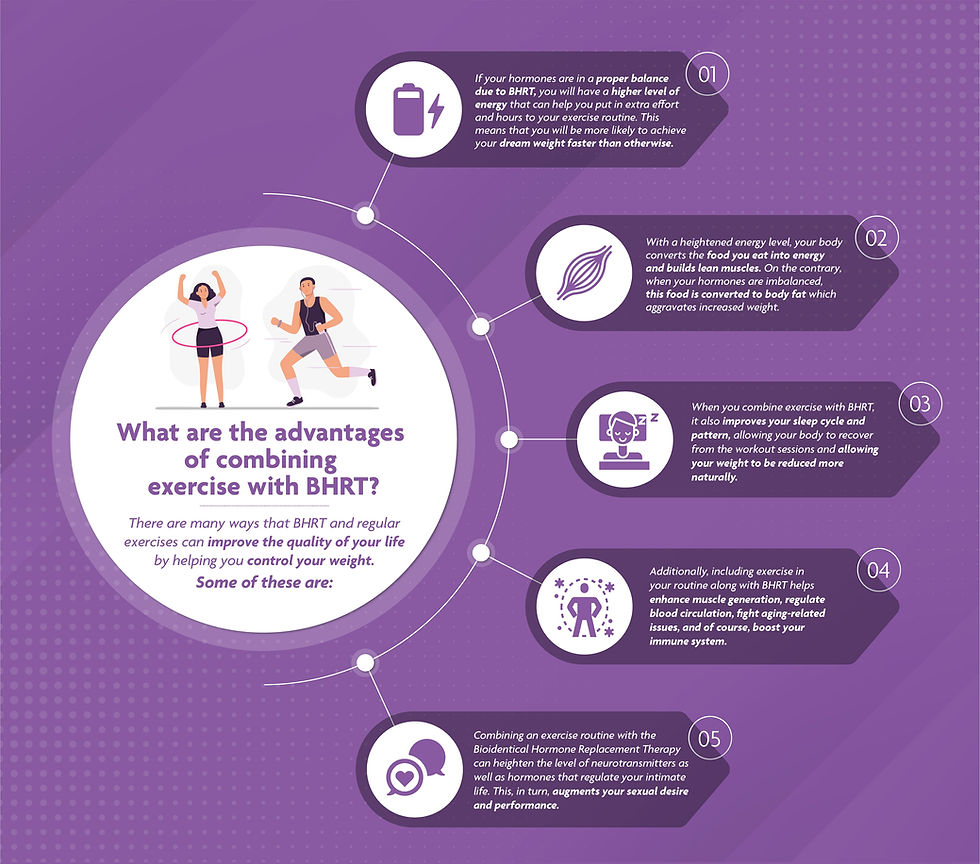
Regular exercise can significantly affect hormonal balance. Here’s how physical activity supports hormonal health:
Reduces Stress: Exercise is one of the most effective natural stress relievers. It helps lower cortisol levels, promoting a better hormonal balance.
Regulates Insulin Levels: Regular physical activity helps improve insulin sensitivity, aiding in better control of blood sugar levels and supporting metabolism.
Supports Healthy Weight: Maintaining a healthy weight through exercise is essential for hormonal health. Excess body fat can disrupt hormonal production and lead to imbalances.
Aiming for at least 150 minutes of moderate aerobic exercise or 75 minutes of vigorous exercise each week can help support hormonal health. Additionally, incorporating strength training at least twice a week can enhance hormonal balance and overall well-being.

Stress Management Techniques
Chronic stress has a detrimental effect on hormonal balance. It can lead to elevated cortisol levels and trigger a cascade of hormonal changes, leaving individuals feeling fatigued and moody. Incorporating stress management techniques is vital for supporting hormonal health:
Mindfulness and Meditation: Taking time daily to practice mindfulness or meditation can help reduce stress and promote relaxation. This, in turn, supports hormonal balance.
Breathing Exercises: Engaging in deep breathing exercises can activate the body's relaxation response, reducing stress hormones and improving overall mood.
Adequate Sleep: Quality sleep is essential for restoring hormonal balance. Aim for 7-9 hours of uninterrupted sleep each night to support hormonal health.
Connect with Nature: Spending time outdoors and connecting with nature can reduce stress levels. Activities like walking, hiking, or simply sitting in a park can be rejuvenating.
Additional Natural Support for Hormonal Health
Aside from nutrition and lifestyle choices, there are additional natural ways to support hormonal health:
Herbal Remedies: Certain herbal supplements have been found to support hormonal balance, such as vitex (chaste tree berry), black cohosh, and maca root. However, it’s important to consult with a healthcare professional before trying any new supplement.
Essential Oils: Some essential oils, like lavender and clary sage, may help reduce stress and promote hormonal balance. These can be used in aromatherapy or diluted with carrier oils for topical application.
Regular Check-ups: Regular health check-ups can help identify any hormonal imbalances early. If you suspect hormonal issues, seek advice from a qualified healthcare professional who can guide you toward appropriate interventions.
Consider Hormonal Balance Supplements: For those seeking added support, hormonal balance supplements can provide a natural option to help restore balance. Learn more about hormonal balance supplements here.
In conclusion, supporting hormonal health is a multifaceted approach that includes proper nutrition, physical activity, stress management, and natural remedies. By making small, conscious changes in lifestyle and seeking professional guidance when necessary, individuals can empower themselves towards achieving hormonal balance and overall health.


Comments