


Effective Meal Prep Strategies for Sustainable Weight Loss
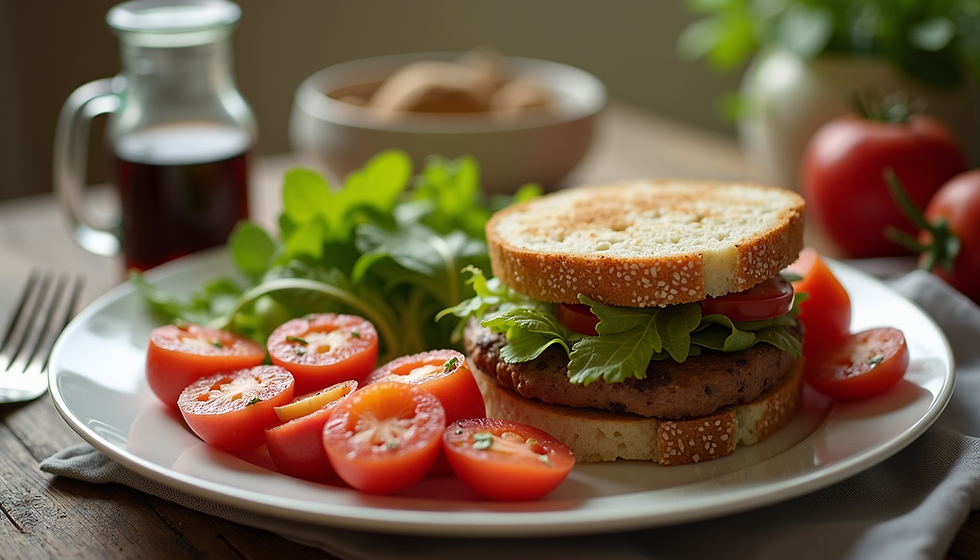
Losing weight sustainably is not willpower—it is about a practical, consistent approach to nutrition that fits your lifestyle. Meal prepping is a game-changer for achieving and maintaining weight loss goals by ensuring you have healthy, portion-controlled meals ready to go, even on your busiest days. This blog explores proven meal prep strategies, backed by research, to help you shed pounds and keep them off for the long haul.
Why Meal Prep Matters for Weight Loss
Meal prepping aligns perfectly with the principles of sustainable weight loss: consistency, portion control, and balanced nutrition. A 2017 study in the International Journal of Behavioral Nutrition and Physical Activity found that individuals who planned and prepped meals were more likely to adhere to healthy eating patterns and had a lower BMI compared to those who didn’t. By preparing meals in advance, you reduce the temptation to grab fast food or overeat due to unplanned hunger. Plus, it saves time and reduces decision fatigue, making healthy choices the default.
The CDC emphasizes that losing 1–2 pounds per week through a calorie deficit of 500–1,000 calories daily is a safe, sustainable goal for most people. Meal prepping helps you achieve this by controlling portions and ensuring nutrient-dense meals, setting you up for long-term success.
Key Meal Prep Strategies for Weight Loss
Here are actionable strategies to make meal prepping work for your weight loss journey:
1. Plan Your Meals Around Calorie and Macronutrient Goals
Why It Works: Weight loss hinges on a calorie apropiate, but balanced macronutrients (protein, carbs, and fats) keep you full and energized. A 2020 meta-analysis in The American Journal of Clinical Nutrition found that higher-protein diets (25–35% of calories from protein) led to greater fat loss and improved satiety compared to standard diets.
How to Do It:
Use a calorie-tracking app like MyFitnessPal to calculate your daily needs (e.g., 1,500–2,500 calories depending on your age, weight, and activity level).
Aim for a macro split like 40% protein, most of the rest as fats, or adjust based on your preferences (e.g., higher carbs for active individuals).
Plan meals that fit these goals. For example, a 400-calorie lunch could be 150 g of grilled chicken breast (45 g protein), 1 cup of roasted broccoli (5 g carbs), and 1 tbsp of olive oil (14 g fat).
Tip: Batch-cook staples like grilled chicken, quinoa, and roasted veggies to mix and match throughout the week.
2. Prioritize High-Volume, Low-Carb Foods
Why It Works: Foods that are high in fiber and water content fill you up without adding many calories, helping you stay in a deficit without feeling deprived. A 2018 study showed that participants who ate high-volume, low-carb, higher fat meals (e.g., salads, soups, meats) consumed fewer overall calories and reported higher satisfaction.
How to Do It:
Start meals with a base of non-starchy veggies like spinach, zucchini, or cauliflower rice. For example, a large salad with 2 cups of greens, cucumbers, and tomatoes is under 50 calories but takes up space on your plate.
Include proteins like chicken, turkey, or fish to boost satiety.
Prep soups or stews with low-carb bases like broth, tomatoes, or pureed veggies.
Example Meal: A prepped mason jar salad with 2 cups spinach, 200 g grilled chicken, ½ cup cherry tomatoes, and 1 tbsp balsamic vinaigrette with your prefered fat/oil.
3. Portion Out Meals in Advance
Why It Works: Pre-portioning prevents overeating, a common pitfall when serving from large containers. A 2021 study in Appetite found that people ate 30% more when serving themselves from family-style dishes compared to pre-portioned meals.
How to Do It:
Invest in portioned containers (e.g., 1-cup or 2-cup sizes) to control serving sizes.
Use a food scale to measure proteins (e.g., 150-250 g per serving) and carbs (e.g., ½ cup cooked rice or pasta).
Include a variety of food groups in each container: ½ protein, minimal carbs, ¼ veggies, and apropiate fat source (e.g., avocado, butter or olive oil).
Tip: Label containers and store them in the fridge for grab-and-go convenience.
4. Schedule a Weekly Prep Day
Why It Works: Consistency is key for sustainable habits. A 2022 survey by the American Heart Association found that people who dedicated a specific day to meal prep were 50% more likely to stick to their dietary goals over six months.
How to Do It:
Pick a day (e.g., Sunday) to cook for 3–4 days ahead. Midweek, do a quick prep for the remaining days.
Batch-cook versatile ingredients: roast a tray of mixed veggies, grill several chicken portions or meat.
Assemble meals or store components separately for variety (e.g., keep dressings on the side to avoid soggy salads).
Time-Saver: Use sheet-pan meals (e.g., chicken, sweet potatoes, and Brussels sprouts roasted together) to minimize cleanup.
5. Incorporate Variety to Prevent Boredom
Why It Works: Monotony leads to cravings and diet fatigue. A 2019 study in Frontiers in Psychology found that dietary variety increased adherence to weight loss plans by keeping meals enjoyable.
How to Do It:
Rotate proteins (chicken, fish, beans), carbs (quinoa, sweet potatoes, whole-grain pasta), and veggies weekly.
Experiment with spices and herbs—think cumin, paprika, or fresh basil—to change flavors without adding calories.
Prep one “wild card” meal each week, like a low-calorie stir-fry with shrimp and zucchini noodles, to break the routine.
Example Swap: Switch Monday’s chicken and rice for turkey meatballs with spaghetti squash on Thursday.
6. Prep Healthy Snacks to Avoid Impulse Eating
Why It Works: Unplanned snacking can derail your calorie goals. The Journal of Nutrition (2020) found that people who prepped healthy snacks consumed fewer empty calories compared to those who didn’t.
How to Do It:
Portion out snacks like 1 oz of almonds (160 calories), 1 cup of Greek yogurt (no added sugars) with berries (150 calories), or sliced veggies with 2 tbsp butter or cheese.
Store snacks in small containers or bags for easy access.
Keep a water with electrolytes handy—sometimes thirst masquerades as hunger.
Tip: Place snacks at eye level in the fridge to make them the first choice when hunger strikes.
7. Freeze Meals for Long-Term Convenience
Why It Works: Freezing extends the life of prepped meals, ensuring you always have a healthy option on hand. A 2023 Healthline article noted that frozen prepped meals retained nutritional value when properly stored.
How to Do It:
Cook double batches of soups, stews, or casseroles and freeze in single-serve containers.
Use freezer-safe bags for proteins or veggie mixes—flatten them to save space and speed up thawing.
Label with dates; most meals last 2–3 months in the freezer.
Example: A turkey chili with beans and veggies can be frozen in 2-cup portions for a quick reheat-and-eat dinner.
Additional Tips for Success
Invest in Quality Containers: Leak-proof, microwave-safe containers keep meals fresh and make reheating easy.
Track Progress: Log weight weekly (or even better, fat %) to adjust portions or macros as needed. A 2022 study in Obesity found that self-monitoring doubled weight loss success rates.
Stay Flexible: If you eat out, choose a meal that fits your goals (e.g., grilled protein with veggies and good fats) and adjust your prepped meals accordingly.
Pair with Movement: The CDC recommends 150 minutes of moderate exercise weekly (e.g., brisk walking) to complement your diet for sustainable weight loss.
Potential Challenges and Solutions
Time Constraints: Start small—prep just lunches for the first week. Use shortcuts like pre-cut veggies or rotisserie chicken.
Cost Concerns: Buy in bulk (e.g., meat, chicken, cheese, frozen veggies) and stick to seasonal produce to save money.
Taste Fatigue: Keep a variety of sauces or seasonings on hand (e.g., hot sauce, soy sauce, lemon juice) to switch up flavors.
Impact on Sustainable Weight Loss
Meal prepping directly supports sustainable weight loss by:
Ensuring Consistency: Prepped meals keep you on track, even during busy weeks. The 2017 study mentioned earlier found that meal planners lost 5–10% more body weight over a year than non-planners.
Reducing Stress: Knowing what you’ll eat eliminates last-minute decisions that lead to unhealthy choices.
Improving Nutrient Quality: Home-prepped meals are typically lower sugar, and unhealthy fats than processed or restaurant foods. A 2021 BMJ study linked higher home-cooked meal frequency to a lower risk of obesity.
Building Habits: Over time, meal prepping becomes a lifestyle, not a chore, supporting long-term weight maintenance. Participants in a 2023 Journal of Nutrition Education and Behavior study who prepped meals for six months were more likely to maintain their weight loss after two years.
Conclusion: Take Control of Your Weight Loss Journey
Meal prepping is a powerful tool for sustainable weight loss, offering control, consistency, and convenience. By planning meals, prioritizing nutrient-dense foods, and pre-portioning, you can create a calorie apropiate meal without feeling deprived. The strategies outlined—weekly prep days, high-volume foods, variety, and freezing—make healthy eating manageable and enjoyable, setting you up for lasting success.
Start small: pick one strategy, like prepping lunches for the week, and build from there. With time, you’ll find a rhythm that works for you, turning healthy eating into a habit that supports your weight loss goals and overall well-being. Your future self will thank you.
Loving these posts? At WH-N, your holistic doctor, we’re passionate about helping you thrive with personalized care! Call us at 956-581-2168 or visit WellnessHealthGroup.com to schedule a Discovery Session today!


Comments