


Mood Issues After 40: How Hormones, Diet, and Exercise Affect Your Emotional Well-Being


Why Your Mood Changes After 40—and What You Can Do About It
If you’ve noticed more irritability, anxiety, tearfulness, or simply feeling “off” since turning 40, you’re not imagining it. For many people, midlife brings real shifts in emotional resilience. These changes are rarely “just stress” or “getting older.” They are often driven by fluctuating hormones, nutrient gaps, blood-sugar swings, and reduced recovery capacity—all of which respond well to targeted lifestyle support.
The Hormonal Drivers of Mood After 40
Estrogen influences serotonin and dopamine—the neurotransmitters that help you feel steady and motivated. As estrogen fluctuates (especially in perimenopause), many people experience anxiety, mood swings, and lower stress tolerance. Progesterone, which has natural calming effects, often declines earlier and can contribute to irritability, poor sleep, and a sense of being overwhelmed. Testosterone supports confidence and resilience in both women and men; lower levels may reduce motivation and emotional buffer. Cortisol sensitivity also rises, so everyday stress feels larger.
How Diet Supports (or Undermines) Your Mood
Your brain and hormones need consistent raw materials. Protein supplies amino acids for neurotransmitters; aim for 25–30 g at each meal. Omega-3 fats (fatty fish, walnuts, flax) support brain structure and reduce inflammation. Magnesium, B vitamins, zinc, and vitamin D are frequently low in midlife and directly affect serotonin pathways and stress response. Blood-sugar swings from skipped meals or high-refined-carb eating trigger cortisol release and can feel like anxiety or irritability. Prioritize fiber-rich vegetables, stable carbs (oats, sweet potato, berries), healthy fats, and consistent meal timing.
Exercise: The Most Reliable Mood Lever After 40
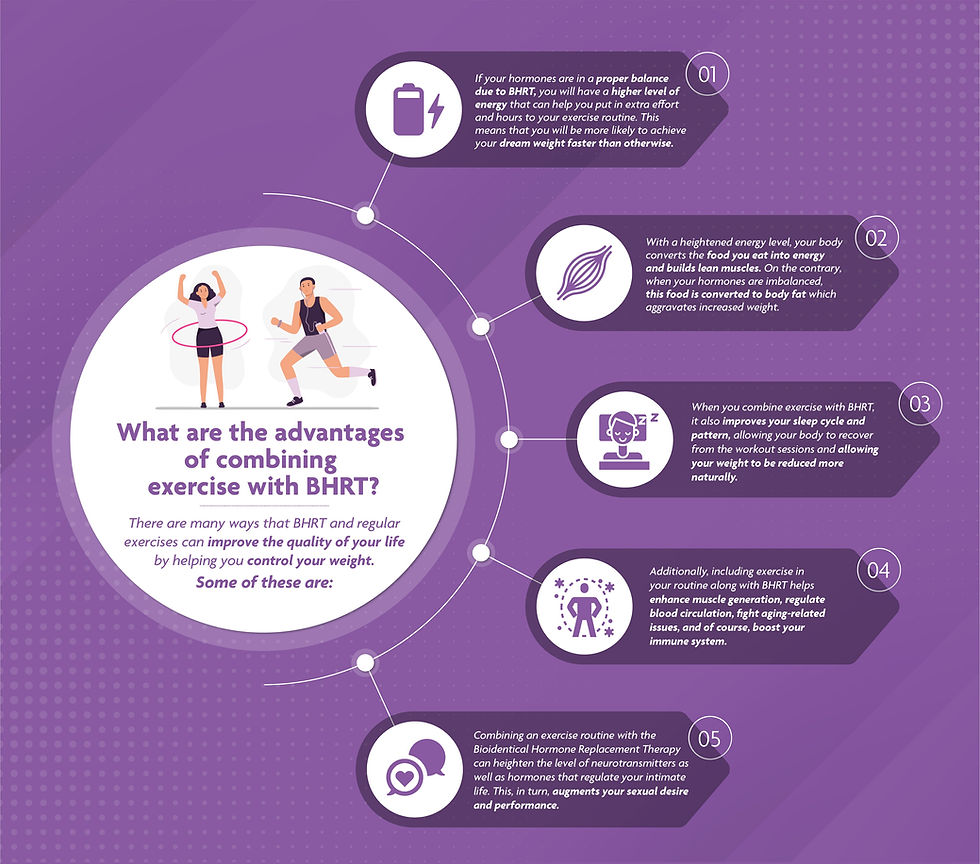
Movement improves mood through multiple pathways: it boosts endorphins and BDNF, improves insulin sensitivity, supports sleep, and helps regulate cortisol. Strength training 2–3 times per week is especially valuable after 40—it preserves muscle (which acts as a metabolic buffer), supports bone density, and may help progesterone production. Moderate cardio (brisk walking, cycling) 150 minutes weekly, plus mobility or yoga, rounds out the picture. Overly intense or prolonged cardio without recovery can raise cortisol, so prioritize consistency over intensity.

Practical Steps You Can Start This Week
Anchor every meal with 25–30 g protein + vegetables + healthy fat.
Add two strength sessions (full-body, compound movements) and daily walking.
Protect sleep: consistent bedtime, limit late caffeine and alcohol.
Consider checking vitamin D, ferritin, B12, and thyroid if mood symptoms are persistent.
Talk with a knowledgeable clinician about perimenopause or hormone support if lifestyle changes aren’t enough.
Mood changes after 40 are common, biological, and highly responsive to the right inputs. By supporting hormones through nutrition and strength-focused movement, most people notice steadier energy, better sleep, and greater emotional resilience within 4–8 weeks. You don’t have to white-knuckle your way through midlife—small, consistent shifts make a meaningful difference.


Comments